MICROBIOLOGICAL CONTROL
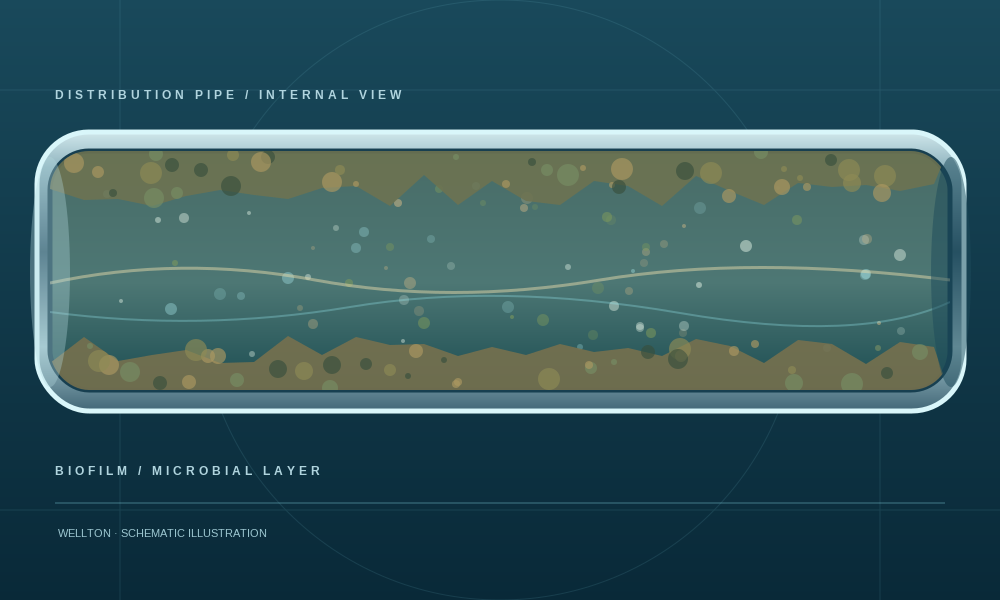
Biofilm is a system issue, not only a water issue.
Microorganisms may persist on the inner surfaces of pipes, filters and tanks. Sustainable control begins with understanding the whole system.
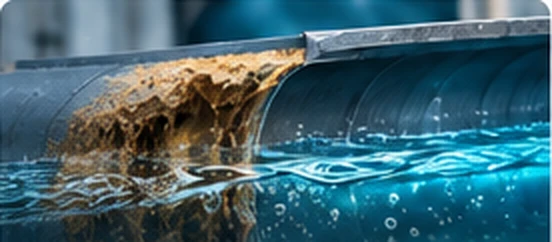 SCHEMATIC IMAGE / PIPE DEPOSITS
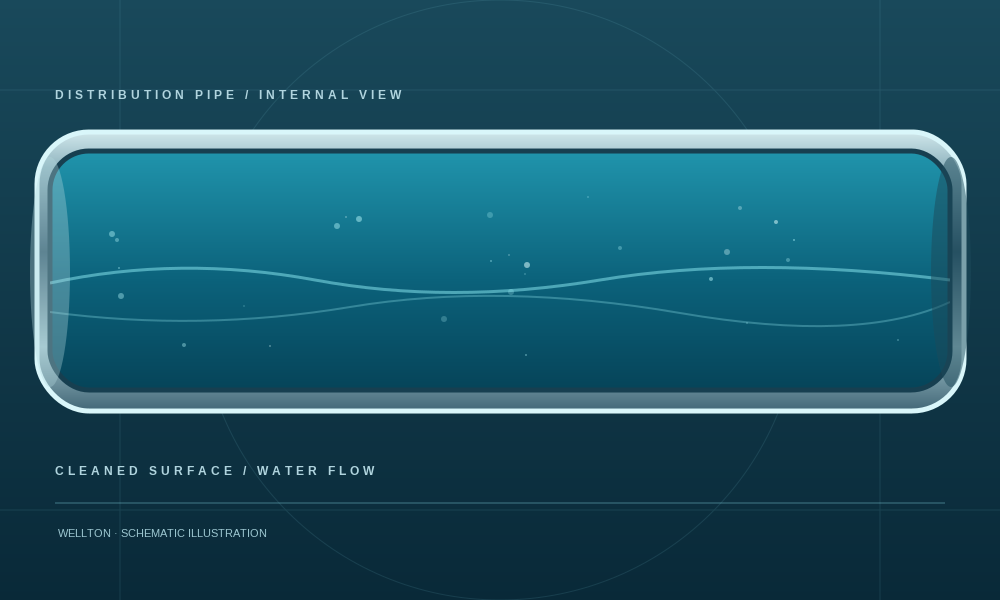
OUR METHODOLOGY
Four steps towards measurable results.
The intervention plan depends on network layout, operating conditions and microbiological findings.
-
Diagnosis
Review microbiological data, system drawings, stagnant areas and existing disinfection practice.
-
Treatment plan
Define dosing points, flushing sequence, suitable dose and contact time.
-
Sanitation
Implement the procedure with operating and safety controls.
-
Verification & prevention
Check residuals and microbiology; consider ongoing control where suitable.
Important: a one-off treatment is a sanitation measure, but it does not guarantee that contamination will not recur. Lasting protection often requires continuous disinfection and correcting the problems in the system.
CONTACT / WELLTON
Have a water quality issue?
Let us start with the facts.
Describe your system, the issue and any available test results. We will help identify the next technical step.